To Have and To Hold

The freedom to marry is fundamental, widely supported, and deeply ingrained in the day-to-day lives of millions across the country.
Since marriage equality was granted nationwide with the Supreme Court’s Obergefell v Hodges decision, it has strengthened communities, boosted businesses, and given hundreds of thousands of families the equality, dignity, and peace of mind they deserve — and the stories of the everyday Americans below prove it!
No matter what the future holds, our marriages are ours to have and to hold.
Our families are ours to have and to hold
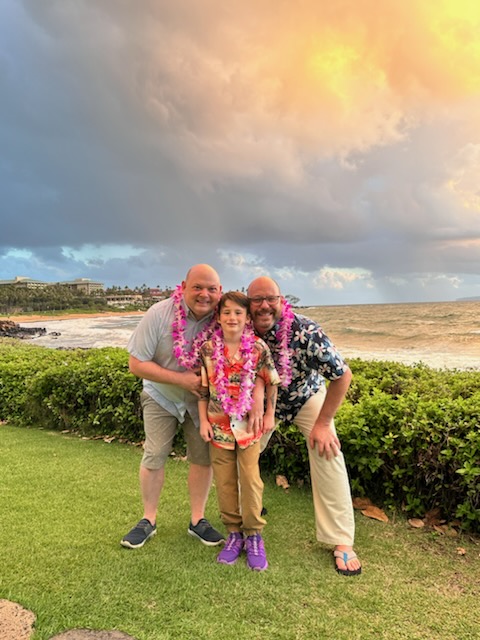
Before the freedom to marry was granted nationwide, Erik and his husband were hesitant to move to Florida for new opportunities, lost in a patchwork of state laws that determined where and how their marriage would be recognized. The 2015 Obergefell v Hodges decision allowed them to rest easier with the knowledge that no matter where they moved, they would be recognized as husbands and dads.
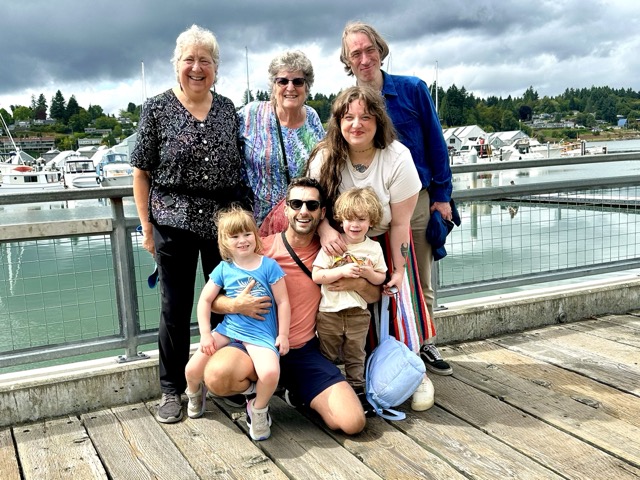
When Lynn and her wife Lisa decided to start a family in the late 1980s, they couldn’t get married. As a result, Lynn was kept out of the emergency room while her partner miscarried, and she had to battle in court to adopt her daughter. Today, they’ve been together for 45 years and married since 2012 with two children and two grandchildren who are thriving.

Three months after Sarah and Markie started dating, they went to a protest because Prop 8 had passed in California. They ended up on the front page of The Seattle Times, which is how Markie came out to her family. Eight years later, they had the wedding of their dreams. They now live in Texas with their two children.

Zach is an activist, author, and elected official in Iowa. His moms met in 1995 at a Unitarian Universalist coffee hour, and they had a commitment ceremony one year later. Of his childhood, Zach says it took some time to realize that his family was different from those of his friends and classmates because, at the end of the day, their lives looked the same. They hung out with friends, participated in Cub Scouts, went on vacations, and more. But when his mom, Terry, was diagnosed with Multiple Sclerosis in 2000, he began to how being in an LGBTQ+ family made getting Terry the care she needed harder. In 2011, he gained national attention for his testimony against a gay marriage ban in Iowa, which was later included in Family Equality’s Voices of Children amicus briefs. “Our family really isn’t so different from any other Iowa family,” he said in his viral speech. “We just hope for equal and fair treatment from our government.”

Marriage matters because…
I never have to worry about being kicked out of my home if something happens to my wife, or not being able to visit her in the hospital.
Our freedoms are ours to have and to hold
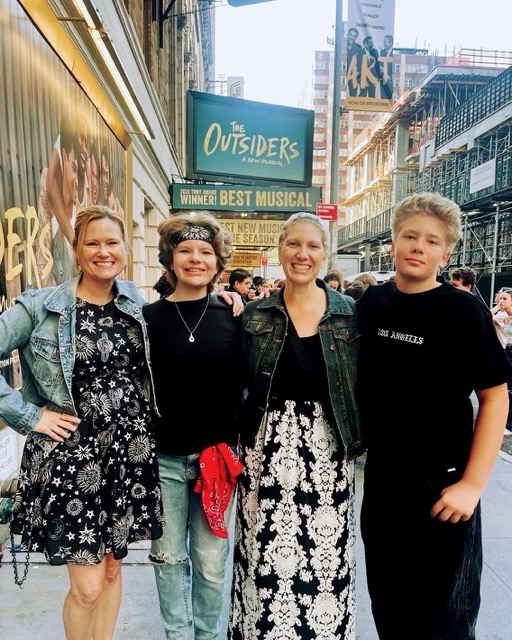
When Suzanne and her wife had a marriage ceremony in New Jersey in 2008, it was called a “civil union” on paper. Years later, after Obergefell v Hodges, they went to the courthouse in Maryland for their official marriage certificate. While that piece of paper proved what they already knew — love makes a family — for Suzanne, it was critical in ensuring that they were seen as equal in the eyes of the law. “Having that recognition, feeling equal, was great,” says Suzanne, who has been married to her wife for 17 years

Russell and Mark had to travel from their home state of Ohio to New York to get married in 2012. For them, the Obergefell decision was pivotal to ensuring that their marriage would be recognized no matter what state they live in. Says Russell, marriage is “a legal contract [that ensures] that we have the same legal protections that have been denied to so many in the past.”
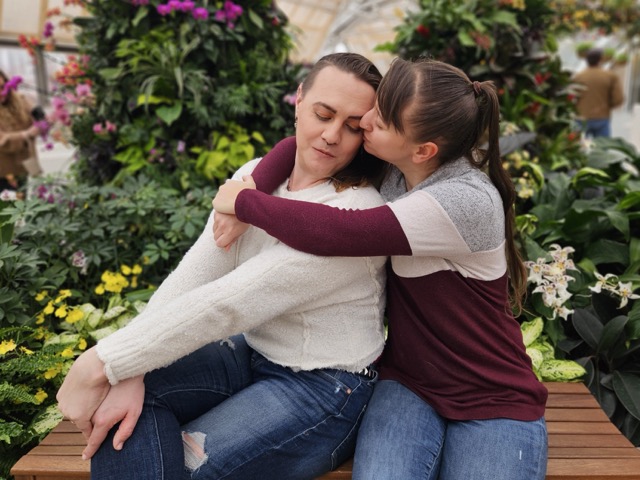
NV and Katie from Ohio got married in 2014 without issue. But now that NV is out as transgender, they worry about what the status of their marriage will be if anything happens to Obergefell. “As for any family, we seek to simply live and express our love for each other as we see fit.”


Share your story!
If you’re an LGBTQ+ person, a parent, a person with LGBTQ+ parents, a faith leader, a business leader, a neighbor, a friend…We want to hear from you! Even if you don’t have a marriage story of your own to tell, we want to know why you support marriage equality. You might even be featured on this web page!

Our futures are ours to have and to hold
Nick in Pennsylvania was a junior in high school when the Supreme Court announced the Obergefell decision and opened the door to the possibility of getting married one day. For Nick, marriage equality means having to jump through fewer obstacles to one day achieve his goal of starting a family. “I go through a social barrier because of my autism diagnosis,” he says. “I shouldn’t have to go through a legal barrier just to get a marriage license.”


Recent updates
-
NewsOctober 30, 2025
Marriage Equality Remains the Law of Land, Despite Texas Supreme Court Order
Learn More -
NewsNovember 10, 2025
Family Equality Applauds the Supreme Court’s Decision to Hold Firm on Marriage Equality
Learn More -
NewsNovember 29, 2022
Family Equality Celebrates the Senate’s Historic Passage of the Respect for Marriage Act
Learn More