Transgender Sports Cases: The Broader View
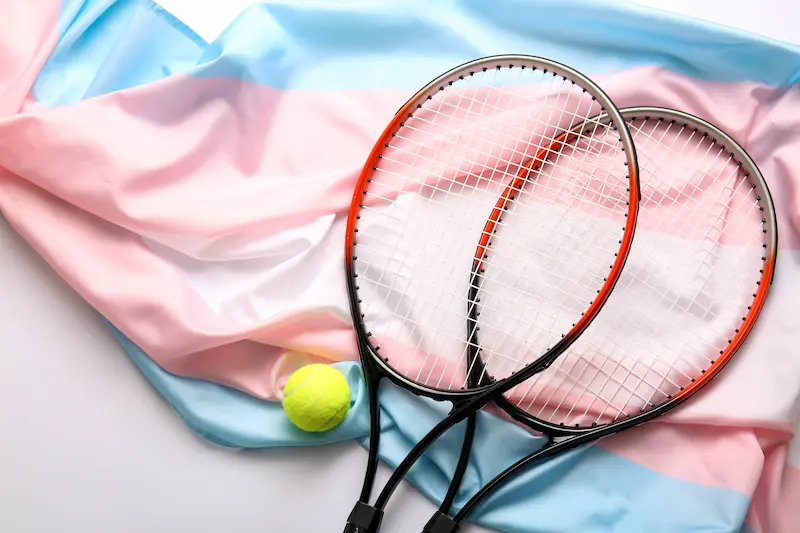
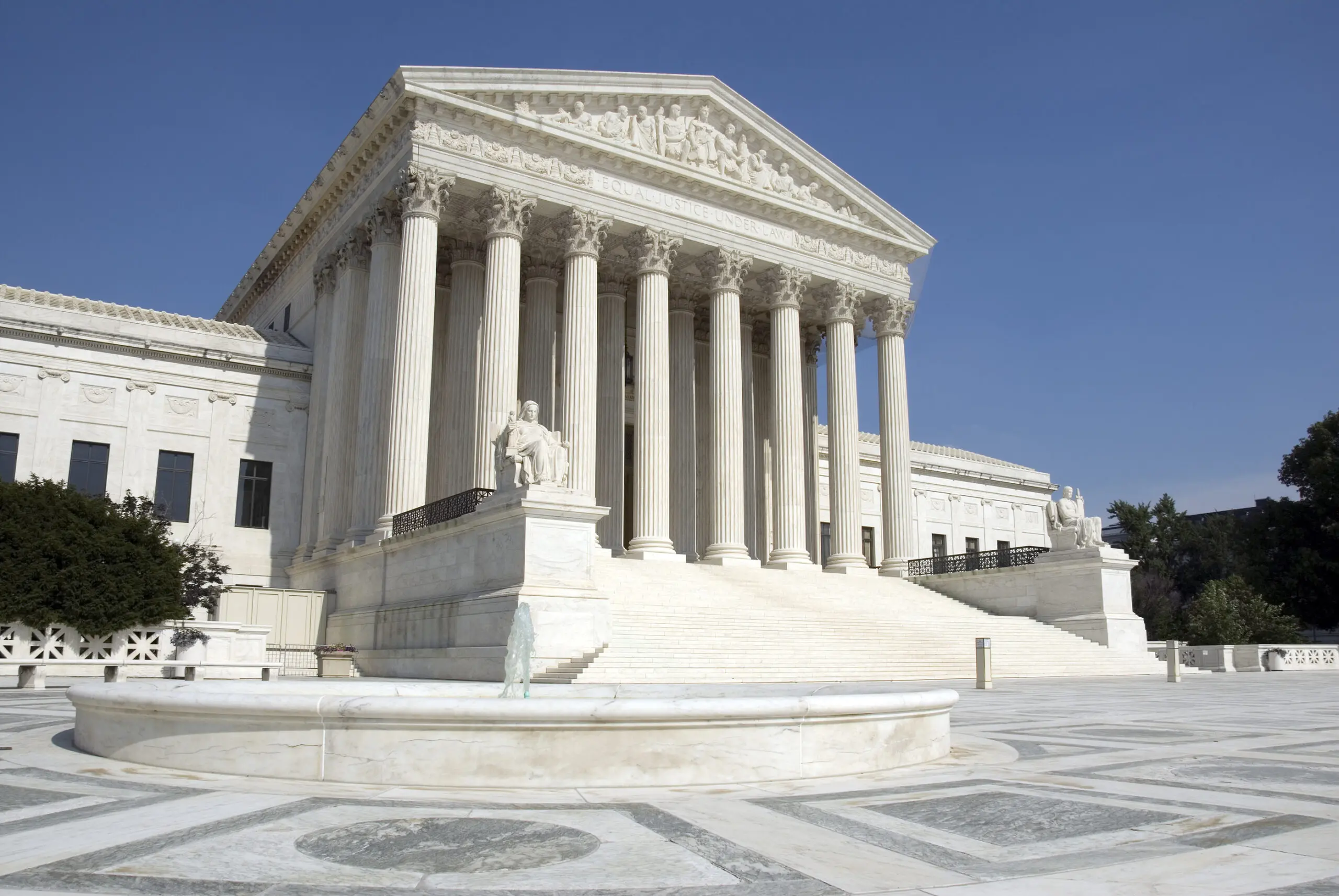
Last week the Supreme Court ruled in West Virginia v. B.P.J. and Little v. Hecox, that states may exclude transgender girls from girls’ school sports. The cases are described as rulings about school sports. They are much bigger than that.
Over the past several years, I have watched too many people, including members of the broader LGBTQ+ community, convince themselves that attacks on transgender people are separate from the broader struggle for LGBTQ+ equality.
Solidarity: More Than a Slogan
This moment asks what LGBTQ+ solidarity means: whether it is a slogan we repeat, or a commitment that holds even when the children under attack are not the ones we imagine as our own.
The Supreme Court’s ruling held that states may exclude transgender girls from girls’ school sports under the Equal Protection Clause and Title IX. Writing for the majority, Justice Kavanaugh accepted sweeping claims about fairness and safety while demanding remarkably little evidence that excluding transgender students is necessary to achieve either goal. In doing so, he describes sports as a zero-sum enterprise where every roster spot, scholarship, or championship won by one student necessarily comes at another’s expense, even as he acknowledges that school athletics provide something far greater: teamwork, confidence, leadership, lifelong friendships, and a sense of belonging. The contradiction is striking. The opinion recognizes the profound value of participating in school sports, then concludes that states may categorically deny those very opportunities to transgender children.

But at stake was never simply who could compete on a team. It was whether transgender young people can fully participate in school life without being marked as suspect or unwelcome, and whether schools can justify singling out a group of children for exclusion at all. The Court’s answer will go well beyond athletics.
Harm to Transgender Youth
The most immediate harm will fall on transgender young people and their families. Students who simply want to participate in school life may now be excluded from teams that affirm their gender identity. They will receive yet another message that they do not fully belong in the spaces where they grow up.
But exclusion rarely stays contained. Efforts to police who counts as a “real” woman have never affected only transgender people. Once institutions draw rigid boundaries around sex and gender, scrutiny expands. Girls and women whose bodies or identities fall outside narrow expectations often find themselves under suspicion as well.
All of this is by design. The campaign against transgender participation in sports has been framed as a response to a narrow problem. But lawmakers have devoted extraordinary energy to regulating the lives of a tiny number of young people. In West Virginia, a statewide ban was passed while the state was aware of only a single openly transgender girl competing in school sports.
Beyond Sports
Because this isn’t really about sports. Sports became the vehicle for a broader political project advanced by well-funded right-wing actors who convert economic into political power by enforcing narrow ideas of belonging and social conformity. We have seen this pattern before: divide and isolate a vulnerable group, cast them as a threat, mobilize fear, and move on to the next target. And by the time the target is you, it is already too late.
The people driving these attacks are not engaged in a narrow dispute about athletics. They are dividing us so that they can continue to erode civil liberties for vulnerable people. There is no reason to think that this ends with transgender people.
However, for solidarity against these attacks to work it cannot be based on self-interest alone. Our obligation to one another cannot depend on whether we think we are next. A community that only shows up when its own rights are threatened is not practicing solidarity.
The Supreme Court’s decisions do not end this fight. In many ways, they return it to our schools, our communities, and our neighborhoods.
Take Action to Support Transgender Youth
One thing to remember about these rulings is that the Court has only said that states may have exclusionary policies, not that they have to. The future of transgender equality will now be shaped by school boards, state legislatures, athletic associations, faith communities, parents, and ordinary people deciding what values will guide the places where children learn and grow.
If you have never attended a school board meeting, spoken in support of transgender young people, or challenged anti-trans rhetoric in your own community, now is the time.
You do not have to do that work alone. Family Equality stands ready to help families, parents, and advocates find their voice and act in their communities. Whether you are sharing your story for the first time, speaking before a school board, organizing locally, or simply trying to understand what comes next, we are here to help.
Courts can decide cases. They cannot decide whether we show up for one another.
That choice belongs to us.
Resources

Nikhil Vashee
Senior Director of Education Law & Policy for Family Equality