Mahmoud v. Taylor: Everything You Need to Know About the Supreme Court Case that Affects LGBTQ+ Inclusion at School

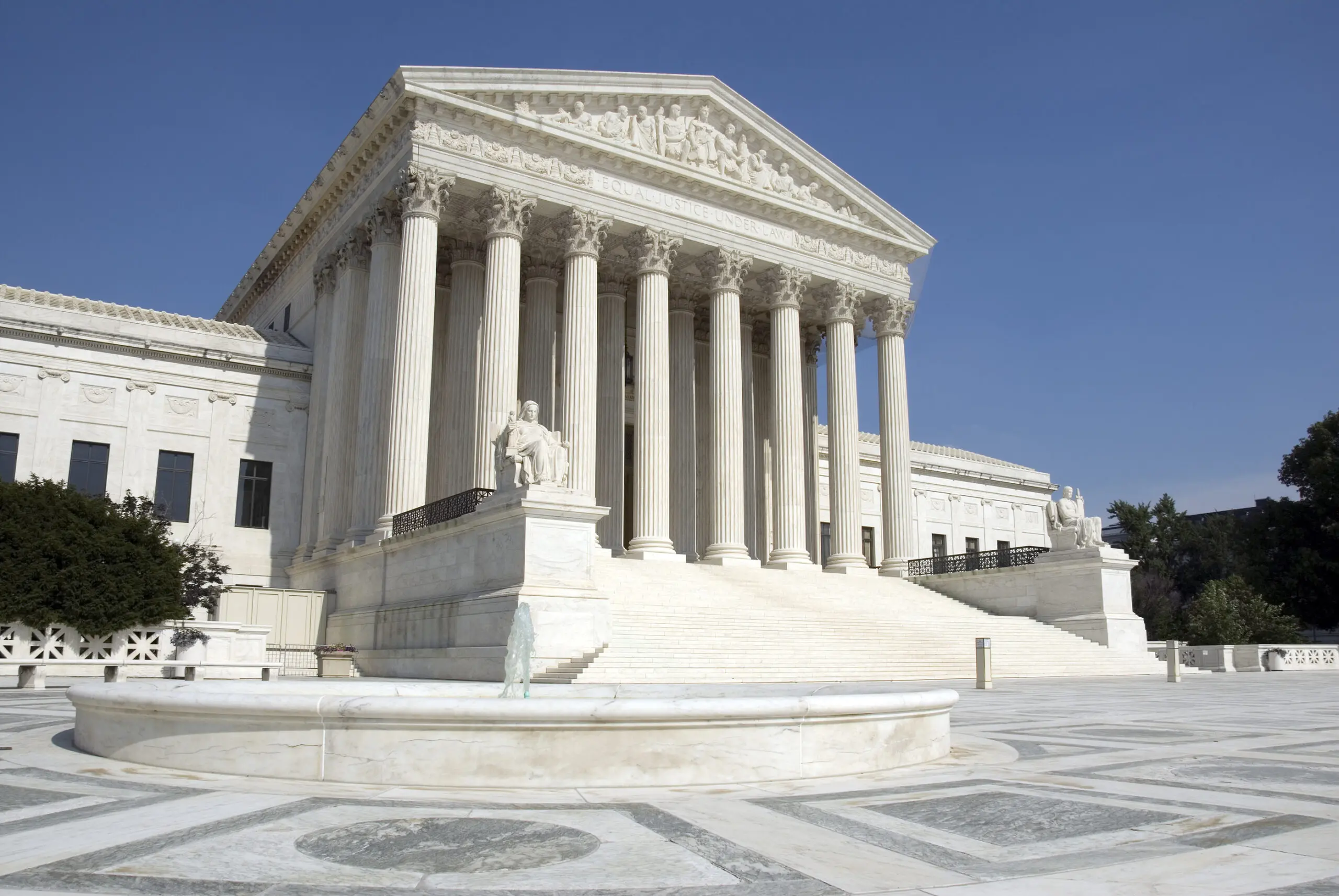
In June 2025, the Supreme Court ruled in a 6-3 opinion that a school district in Montgomery County, Maryland had to provide parents with an option to opt their children out of instruction including books that featured LGBTQ+ characters. In the following months, there has been a lot of confusion around what this case means for teachers, students, and families. This explainer is intended to explain the basics of the case so you can be equipped with the facts when confronted with the implications of this decision in your school.
Setting the stage
During an unstructured reading time in a Montgomery County school in Maryland, five books in the classroom library featured LGBTQ+ characters. A group of religious parents in in the county objected to this, and in response, the district tried to provide these parents with an “opt out” option. Eventually, they concluded that it wasn’t practical, and the parents sued the district. They claimed that not being able to take their students out of the classroom at those times violated their freedom of religion. Eventually, the case went to the Supreme Court, and they ruled 6-3 in favor of the parents.
In his opinion, Justice Alito pointed to three reasons why he believed the school should have offered an opt-out:
- First, he argued that the books in question were not just stories with LGBTQ+ characters but were “clearly meant to impart a lesson of acceptance.”
- Second, he noted that teachers had been given guidance suggesting that if a student asked about LGBTQI+ people, they should steer the child away from negative comments and encourage them to think about different kinds of families—something Alito characterized as “going beyond mere exposure.”
- Finally, he emphasized that because the school had already provided an opt-out before, in his view, doing so here would not be overly burdensome.
What this case means for schools across the country
This decision is likely to cause anxiety among school staff who may wonder what kinds of opt-outs they’re now required to offer, and whether it’s safer to avoid LGBTQ+ inclusive curriculum and books altogether. Districts may be tempted to preemptively pull inclusive materials rather than navigate the uncertainty.
Here’s what’s important to remember: schools are still absolutely allowed to include LGBTQ+ books in classrooms and to teach LGBTQ+ inclusive curricula. If a parent requests an opt-out, the school may need to consider it—but only depending on the type of content and only if honoring that request wouldn’t create a serious disruption to the overall learning environment. The boundaries of what this looks like are not yet clearly defined, and we have a lot of opportunity to shape the boundaries that will emerge.
Next steps
This moment calls for all of us to step up and be strong voices for inclusion. Silence will only make it easier for fear and misinformation to take hold. Families, educators, and advocates can and should speak out to ensure that schools remain places where every child feels seen and supported.
If you’re wondering where to begin, here are a few steps you can take right now:
- Stay informed. Keep up with how your district is responding and what they are (or aren’t) saying about LGBTQ+ inclusion.
- Build relationships. Reach out to your child’s teachers, principals, and school board members. Let them know you value inclusive curricula and want to see it continue.
- Speak up early. If you hear rumors about books being pulled or curriculum changes, ask questions and express your support for keeping LGBTQ+ materials in schools.
- Find allies. Connect with other parents, educators, and local organizations to show that support for inclusion is broad and community wide.
- Reach out for backup. Family Equality is here to help. Whether you need resources to share with your school, talking points for a board meeting, or just someone to strategize with, you don’t have to navigate this alone.
The more visible and vocal we are, the harder it will be for districts to retreat from inclusion out of fear. Together, we can make sure that every child grows up seeing their families and identities reflected in the classroom.