Safe Travel Guidance for LGBTQ+ Immigrant Families

Disclaimer: This resource provides general information. It is not legal advice specific to your situation. Community members should exercise caution and speak to an immigration lawyer with LGBTQ+ experience about their individual cases.
Versión traducida por National Immigration Law Center (NILC) disponible en Español aquí.
Increased travel risks for LGBTQ+ immigrant families
Everyone should be able to travel, visit loved ones, and explore new places without fearing arrest, detention, or deportation. But the Department of Homeland Security (DHS) is going after immigrants and immigrant families in new and harmful ways. As part of the Trump administration’s mass deportation effort, immigration officers have arrested and detained people at airports. Traveling through a U.S. airport can be risky if you are not a U.S. citizen or you are part of a mixed-status family. This is true even if you have active or pending legal immigration status, entered the United States lawfully, or traveled without problems in the past.
Immigration arrests have increased in U.S. airports. The Transportation Security Administration (TSA), the government agency that handles airport security, shares passenger information with Immigration and Customs Enforcement (ICE). This information may include names, photographs, and other details. ICE can use it to arrest and detain people in airports throughout the country. Traveling with U.S. citizen family members does not remove this risk.
Additional risks for LGBTQ+ families
The Trump administration has also increased attacks on LGBTQ+ people, especially transgender and nonbinary people. On his first day in office, President Trump signed an executive order that limited how the federal government defines sex. The order basically says the United States does not recognize transgender or nonbinary people. The administration also removed LGBTQ+ inclusive resources and guidance from many federal agencies. These actions may increase the risk of questioning, detention, arrest, or deportation for LGBTQ+ immigrants and people seen as LGBTQ+ or immigrants. Transgender and nonbinary immigrants may face especially high risks.
If you are transgender, nonbinary, or a person whose gender presentation appears to be different than your assigned sex at birth, you are also at a higher risk of being stopped for additional screening by TSA or other law enforcement while traveling. An immigration arrest carries particular risk for LGBTQ+ people because ICE has a long history of mistreatment and abuse of LGBTQ+ people in detention. For example, the Trump administration now requires transgender immigrants to be detained with the same population as their sex assigned at birth. Deportation can expose LGBTQ+ immigrants to arrest and violence in countries with anti-LGBTQ+ laws.
You may face extra questions at an airport if who you are or how you look does not match your gender marker on your ID. For example, this could happen if you are a transgender woman whose ID says “male” or a masculine-presenting woman whose ID says “female.” If you are also an immigrant, these questions may increase your risk of ICE arrest, detention, or deportation.
It’s more important than ever for immigrants and mixed-status families to prepare and think carefully before deciding to travel. Even with the proper documentation and legal status, noncitizens still risk being detained, arrested, and even deported. ICE has even targeted U.S. citizens based on their skin color, race, ethnicity, and/or language spoken.
With our combined expertise in LGBTQ+ families and immigration, Family Equality and NILC have created this resource to provide information and practical steps you can take to protect yourselves and your families when traveling.


Your, Your Children’s, and Your Family’s Mental Health
You, your children, and your family may be afraid and nervous about what is happening to immigrants and people assumed to be immigrants by ICE. Those feelings are real and it is important to find ways to talk about what you are feeling and give your children space to share their concerns and fears while also being comforted. Talking as a family before you travel about what to expect and how you are going to keep each other safe can be helpful. It can also be helpful to just listen to your kids and let them share what they are feeling and see if you can address their fears and concerns honestly without making them more afraid.
“Staying Whole & United: A Love Letter and Support Guide for Families Navigating Harmful Immigration Raids and Policies” may be a good resource to help you navigate those discussions with your kids.
Who is at greatest risk of immigration enforcement when traveling?
All noncitizens face some risk of an immigration enforcement action when traveling through an airport. Immigration enforcement may include questioning, arrest, detention, being placed in deportation proceedings, or deportation. The sections below can help you understand the risks you and your family may face if you travel through an airport.
Noncitizens at greatest risk
People with the highest risk of immigration enforcement at an airport are those who are undocumented, have a deportation order, have uncertain status, or have other risk factors such as a criminal arrest history. This includes:
- You face a high risk of arrest at an airport if you have a deportation order, also called a removal order. The order may allow ICE to arrest and deport you right away, no matter how old it is. This is true even if you did not know about the order, if the order is from when you were a child, or you never even saw an immigration judge.
- How to check if you have a deportation order: If the government ever gave you paperwork with an “alien registration” number (A number), you can check online using the Executive Office for Immigration Review website or by calling 1-800-898-7180. Listen for a prompt that gives you final decision information.
You face a high risk of arrest if the government has terminated your status. This may include Temporary Protected Status (TPS) or parole that expired or the government ended. Recent examples include the Cuban, Haitian, Nicaraguan, and Venezuelan (CHNV) parole program, Uniting for Ukraine (U4U), and CBP One. The government also ended some family reunification parole programs for people from Colombia, Cuba, Ecuador, El Salvador, Guatemala, Haiti, and Honduras with pending family-based immigration applications.
- : ICE is arresting and detaining people whose visas are no longer valid either because the visa expired or you stayed longer than you were allowed to.
- To find out if your period of stay has expired, you will need the passport you used to enter the country, and then go to the Customs and Border Protection (CBP) I-94/I-95 government website.
ICE is arresting and detaining people even if they have submitted an application for immigration status in the United States. This includes people who have applied for asylum, a green card (lawful permanent residence), or other forms of permanent protection. This also includes applications to change or extend status while in the United States. ICE is also detaining people who have work authorization based on their pending application for status.
If you have had any criminal arrests, immigration officers may try to arrest you, even if the case was dropped or the charges dismissed. Immigration law counts some cases as “convictions” even if you were told your case was closed or your guilty plea was withdrawn. If you have ever been arrested, speak with an experienced immigration attorney before traveling.
- Traveling by plane within the United States is now extremely risky for any undocumented person. If you are an undocumented person who leaves the United States, you will be screened in some way.
- Note: The government promotes the “CBP Home” program to encourage immigrants to leave the United States voluntarily. If you are considering this option, it may be helpful to review this community explainer, which describes some concerns and risks involved: “Know your Rights: CBP Home.” We do not have reports of government officials arresting people who are trying to leave the United States. There is some risk of arrest and detention for people leaving the United States if you have an open criminal warrant for your arrest.
Green card holders (lawful permanent residents)
Immigration officers can still arrest green card holders if they have certain criminal convictions (even minor ones) or arrests. The Trump administration has also targeted some green card holders because of their political activities or beliefs.
If you are a green card holder you may be at risk of immigration arrest if you:
- Have a past criminal conviction, even for something small
- Have a pending criminal charge or past arrest, even if it did not result in a conviction, if returning from traveling outside the United States
- Have expressed ideas or participated in protests that the Trump administration doesn’t like
- Spent more than 180 days (continuously) outside of the United States.

An Added Risk for LGBTQ+ Families
Family Equality knows that many LGBTQ+ and immigrant families are active in the advocacy space. Fighting against injustice and making your voice heard by attending protests, spreading the word about action alerts, or participating in organizations that foster and advance equality is a family value for many. Studies show that LGBTQ+ young people are much more likely to engage in protests than their non-LGBTQ+ peers. Unfortunately, this might put you or your family at an increased risk of an immigration arrest. As you engage in advocacy spaces, remember to be prepared and prioritize safety.
For more information, see Human Rights Campaign, Tips for Preparedness, Peaceful Protesting, and Safety.
When considering travel, green card holders should be especially cautious if you have any criminal convictions. Note that even if some offenses don’t count as convictions in criminal court because they have been expunged or withdrawn, they may still count as convictions in the immigration system. ICE can arrest and try to deport you if you are a green card holder and have a criminal conviction related to:
- Drugs, including marijuana (even if it is legal in your state)
- Guns
- Domestic violence, child abuse, or violating a protective order
- Certain crimes involving fraud, theft, shoplifting, or intentionally harming someone
- Many felonies if the sentence was one year or more, even if the sentence was suspended
- Falsely claiming to be a U.S. citizen, such as checking a box saying you are a U.S. citizen on a work form or registering to vote.
Green card holders traveling internationally face additional risks. If you are a green card holder, your risk of arrest is higher when you return from traveling outside the country if you have ever been arrested (even if the charges were dismissed) or have any marijuana-related arrest or conviction. Consider the below before deciding to travel internationally:
- Any past arrest or charge: A recent Supreme Court decision allows immigration officers to arrest green card holders returning from an international trip based only on a past criminal charge or arrest, even if the charge is pending or did not result in a conviction.
- Marijuana-related charge or conviction: In most cases, green card holders cannot be deported from the United States for only one conviction for a small amount of marijuana with no other criminal history. However, if you are a green card holder returning to the United States from international travel, ICE does have the authority to detain and try to deport you if you have only one minor marijuana possession charge or conviction, or if you admit you have used or possessed marijuana in the past.
For more information on your risks as a green card holder, see NILC’s Green Card Holders: Know Your Rights & Risks During the Second Trump Administration.
DACA holders (people with Deferred Action for Childhood Arrivals)
DACA is a temporary protection from deportation for some people who came to the United States as children. However, ICE has recently arrested, detained, and deported a number of people with DACA or another form of Deferred Action, so traveling through an airport can still be risky if you have DACA or another form of Deferred Action.
For more guidance for DACA recipients, see Home is Here’s Guidance for DACA Recipients.
Special considerations for mixed-status families and parents
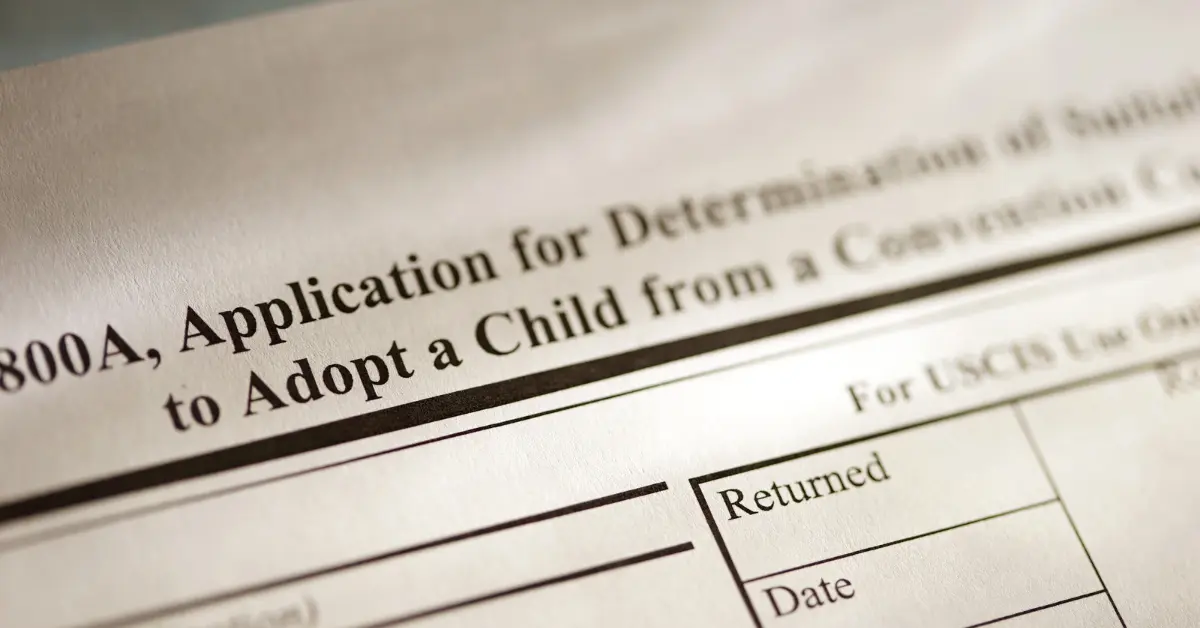
Traveling with a U.S. citizen child or a child with valid immigration status does not reduce the risk of arrest for noncitizen family members. Immigration officers regularly arrest families together, and in some cases U.S. citizen children have been detained and deported with their immigrant parents.
If you are a parent, you should know that ICE has a policy that says parents in immigration detention have the right to make decisions about what happens to their children. The ICE policy limits the definition of parent to a “mother who gave birth or a father who contributed genetically to a child biologically” and “an individual who legally adopted a child or has been legally appointed as a guardian.” Under this policy, biological or legally adoptive parents can decide whether their child will stay in the United States or be deported with them. However, ICE doesn’t always follow its own policies.
If you are a noncitizen parent or legal guardian considering traveling with your child or children, consider setting up a family safety plan before you leave. This may include setting up a temporary guardianship so a trusted adult or friend can take care of your child or children if you are detained.
If you are a noncitizen parent or legal guardian and your partner is a U.S. citizen or has legal status, make sure that partner also has a legal connection to your children.
An Added Risk for LGBTQ+ Families
LGBTQ+ parents often have to take extra steps to affirm the legal connection for all parents to their children. The best way for LGBTQ+ parents to protect their family is to make sure all parents have a legal relationship with all children by getting a court order of parentage or adoption. This is true even if you are married and both parents are listed on the child’s birth certificate. A birth certificate may show that both spouses are assumed to be a child’s parents, but it is not the same as a court order that confirms who the legal parents are, and could be challenged later. The steps to confirm parentage depend on your state. Options may include adoption, a court order of parentage, or a voluntary acknowledgement of parentage.
For more information on establishing a family safety plan, see the Immigrant Legal Resource Center’s Step-by-Step Family Preparedness Plan.
People considering traveling on advanced parole
Advance parole is permission from the U.S. government for certain noncitizens to travel outside the United States and ask to return after a short trip. It does not guarantee that the government will let you back into the country. People with DACA, TPS, or pending applications for a green card or asylum often use advance parole.
Traveling with advance parole involves more risks and uncertainty now. In August 2026, the Board of Immigration Appeals, which reviews some immigration court decisions, changed how travel on advance parole may affect some immigrants. Under the decision, people who leave the United States after August 13, 2026 and have had more than 180 days of unlawful presence may be unable to return to the United States or get a green card for three or ten years. These penalties are often called the three- and ten-year bars.
Because of all these changes, we recommend anyone thinking about applying for or using advance parole talk to an attorney about the risks, even if you have an approved advance parole document.
For more information on advance parole and international travel, see NILC’s Community Alert: Traveling on Advance Parole Now Triggers 3- and 10-Year Bars.
Immigrants with lawful status
If you are not a U.S. citizen but have lawful immigration status, carry documents that show your lawful status when you travel. Green card holders should carry their green cards. People with TPS or DACA should carry a valid employment authorization document and paperwork showing that status. People with asylum or another status should carry documents showing the status and date it was granted. Keep copies of these documents in a safe place at home, and tell a trusted person where to find them.
Be careful when carrying a foreign passport!A foreign passport or other document that shows you were born outside the United States can be enough evidence for the government to start a deportation case against you. If you are undocumented or have temporary status in the United States, traveling may put you at risk of immigration arrest – see above for more details.
If you are not a U.S. citizen and you have ever been arrested, carry certified copies of the criminal court documents showing how your case was resolved. Having these records can help explain your criminal history if you are questioned. This is important even if the case was dismissed. If you are a noncitizen and have been arrested before, traveling may put you at risk of immigration arrest – see above for more details.
U.S. Citizens who may also be targeted by ICE
If you are a U.S. citizen, carry proof of your citizenship when traveling by plane. The easiest way to prove U.S. citizenship is with your current passport, even if it is not required for domestic travel. U.S. passports are available to U.S. citizens. This includes naturalized citizens of any age and minor children. If you do not have a passport, you can apply for one from the U.S. State Department.
Transgender and nonbinary travelers may also face challenges if their identity documents do not match, such as a driver’s license with your correct gender marker and a passport with your sex assigned at birth. Be careful when carrying identity documents that do not match and never carry forged identity documents.
Because of a recent presidential order, the federal government does not allow changes to sex designation on federal documents such as passports. The option to select “X” has been removed. If you do not currently have a passport that reflects your correct gender, you likely will not be able to get one at this time. However, you can still get a passport that reflects your sex assigned at birth.
If you have a passport with an “X” gender marker, it is still valid and should be accepted as identification. However, you may be stopped for extra screening or questioning and may be asked to produce additional identification. If you have a driver’s license or state-issued ID with the “X” gender marker as well, those two documents should be enough to prove your identity and citizenship. However, if you have a passport with an “X” gender marker and your second form of ID does not note that gender, you may be flagged for extra screening or questioning.
If you do not have a passport and you were born in the United States, carry your birth certificate with you as proof of citizenship. Birth certificates are issued by the state or territory where you were born and each state has a department responsible for issuing birth certificates and keeping vital records. If you lost your original birth certificate, you can have one reissued. You will need to check your state to see what department is responsible for issuing birth certificates and apply for a new one to be issued.
Each state has different laws regarding if and how you can update your birth certificate to reflect a name or gender change. Not every state allows people to change the name on their birth certificate, so if you have changed your name for any reason, including taking a new name upon marriage, it is important to carry your legal name change documents with you when traveling. Not every state allows people to update their gender marker on their birth certificate to reflect their correct gender as well. Even if you can update your legal birth certificate, the federal government can still see your old information and previous gender markers. Still, having updated documentation can help you in the moment.
Because birth certificates do not include a current photo, you may be asked to provide a photo identification along with your birth certificate to prove your identity and citizenship. The most common photo identification, outside of a passport, is your driver’s license or state-issued ID, which are issued by the state you reside in. Not every state allows people to update their gender marker on their driver’s license or state ID to reflect their correct gender.
For the most up to date information on identity documents for transgender and nonbinary people, please visit the Advocates for Trans Equality’s (A4TE) ID Documents Center.
Safety tips for everyone traveling
Know your rights at the airport!
- Be ready for extra screenings or questions from TSA, CBP, or other immigration officers.
- At the airport, you have the right to not answer any questions about your political or religious beliefs, or your past behavior or activities.
- At the airport, you have the right to not sign any documents. Green card holders: do not sign anything that gives up your lawful permanent resident status.
- At the airport, you can ask to speak to a lawyer, but the government does not have to allow it. But if they try to deport you, you have the right in most cases to see an immigration judge.
Learn more by reading the American Civil Liberties Union’s Know Your Rights at the Airport.
Bring physical copies of important documents for yourself and your family members, including proof of lawful immigration status and certified copies of criminal court orders if you were ever arrested. Make sure a loved one knows where to find copies of these documents at home.
- If you are an LGBTQ+ parent, also bring certified copies of any adoption court orders and/or parentage judgements as well as your children’s birth certificates.
- If you have changed your name, bring a certified copy of your legal name change.
Secure your phones, laptops, and other devices: Law enforcement officers may search your devices. Before traveling, take steps to protect your personal information and private communications. Print your ticket so you do not need to use your phone to board the plane. Turn off facial recognition and fingerprint unlocking, and sign out of your email and social media accounts.
Make a safety plan:
- Make sure that you and your family members have memorized phone numbers for a lawyer and at least one loved one who can be on-call in case you need help. Consider memorizing Immigration Equality’s detention hotline at 917-654-9696 (https://immigrationequality.org/about-us/).
- Make sure your on-call person has the A numbers for all noncitizens in your family and knows where to find copies of your family’s important immigration documents. Tell that person they can use this website to find you if you or a family member are detained: https://locator.ice.gov/odls/#/search. You can also use NILC’s resource on How to Find a Loved One After a U.S. Immigration Arrest.
- Make sure your on-call person understands family preparedness plans you have made, including temporary guardianship arrangements for your children.
Sign privacy waivers: If you are arrested and detained, ICE will not share information about your case with anyone unless you have signed this specific privacy waiver form. Consider having you and other adults in your family sign one or more of these forms and leave them with a loved one in case you are arrested.
Talk to an immigration lawyer before you travel: If you have a criminal record, talk to an immigration lawyer who has criminal law expertise. Ask about your risks, options, and legal rights. Ask if you would qualify for release on bond if you were detained.
If you are a parent, talk to a family lawyer before you travel: Look for a lawyer with LGBTQ+ expertise. Having both parents’ names on the birth certificate may not be enough. Ask about “second parent,” “step parent,” or “confirmatory” adoptions in your state to better protect your family.
This information was prepared and distributed by Family Equality and the National Immigration Law Center (NILC).




Additional reading
-
ResourceJuly 21, 2026
Immigration Resource Center
Learn More -
NewsJanuary 8, 2026
Holding Our Families Close in a Moment of Fear Following Fatal Shooting of LGBTQ+ Parent, Renee Good, by ICE Officer
Learn More -
NewsJune 19, 2025
Solidarity with Los Angeles — A Statement from Organizations Committed to Advancing Freedom for LGBTQIA2S+ People and Everyone
Learn More